

Updated May 1, 2026: Website builders can be useful for small businesses that need a simple site quickly, but they are not always the best choice for every Kenyan SME. The right option depends on your budget, timeline, content quality, design expectations, ecommerce needs, SEO goals, and how much time your team can spend maintaining the website.
This guide compares website builders, WordPress, Shopify, and custom agency support so you can choose a website route that fits the business instead of chasing a generic top 10 list.

What is a website builder?
A website builder is a platform that lets you create a website using templates, visual editors, built-in hosting, and packaged tools. Popular examples include Wix, Squarespace, Shopify, and Hostinger’s website builder. These platforms reduce the need for coding and can help a business get online faster.
The tradeoff is control. A builder may be quick, but your design flexibility, SEO structure, integrations, hosting choices, and long-term customization can be limited by the platform.
When a website builder makes sense
A website builder can be a good fit when the business needs a simple online presence and does not require deep customization.
It may work well for:
- small portfolio websites
- simple service pages
- basic booking or inquiry sites
- early-stage businesses testing an idea
- personal brands and creators
- small online stores with straightforward products
Builders can also help if you need to launch quickly and your team is comfortable editing content internally.
When a website builder may hold you back
A builder becomes less ideal when the website is central to sales, SEO, lead generation, publishing, ecommerce operations, or brand presentation.
Watch for these limits:
- templates that make many businesses look similar
- limited control over advanced SEO and technical structure
- extra app or plugin costs as the site grows
- difficulty migrating away later
- design limits when you need a more custom brand experience
- platform restrictions around checkout, hosting, or integrations
Website builder vs WordPress
WordPress is often better when you need more control over content, SEO, layouts, plugins, and long-term growth. It can power a simple brochure site, a blog, a service website, or a WooCommerce store.
The tradeoff is setup and maintenance. WordPress needs hosting, updates, security, backups, and better technical care. For many Kenyan SMEs, a professionally built WordPress website gives a stronger balance between flexibility and cost than a fully custom-coded site.
Website builder vs Shopify
Shopify is more focused on ecommerce than a general website builder. Based on Shopify’s official pricing and product pages reviewed on May 1, 2026, Shopify includes online selling, in-person selling through POS, multiple sales channels, analytics, apps, payments, checkout, and ecommerce hosting.
It can be a strong option if the business mainly needs to sell products online. It may be less ideal if the website is primarily a content-rich service site, portfolio, tender-support site, or SEO article hub.
Website builder vs agency-built website
An agency-built website makes sense when the business needs strategy, structure, design judgment, conversion planning, content support, SEO basics, and a more polished brand experience.
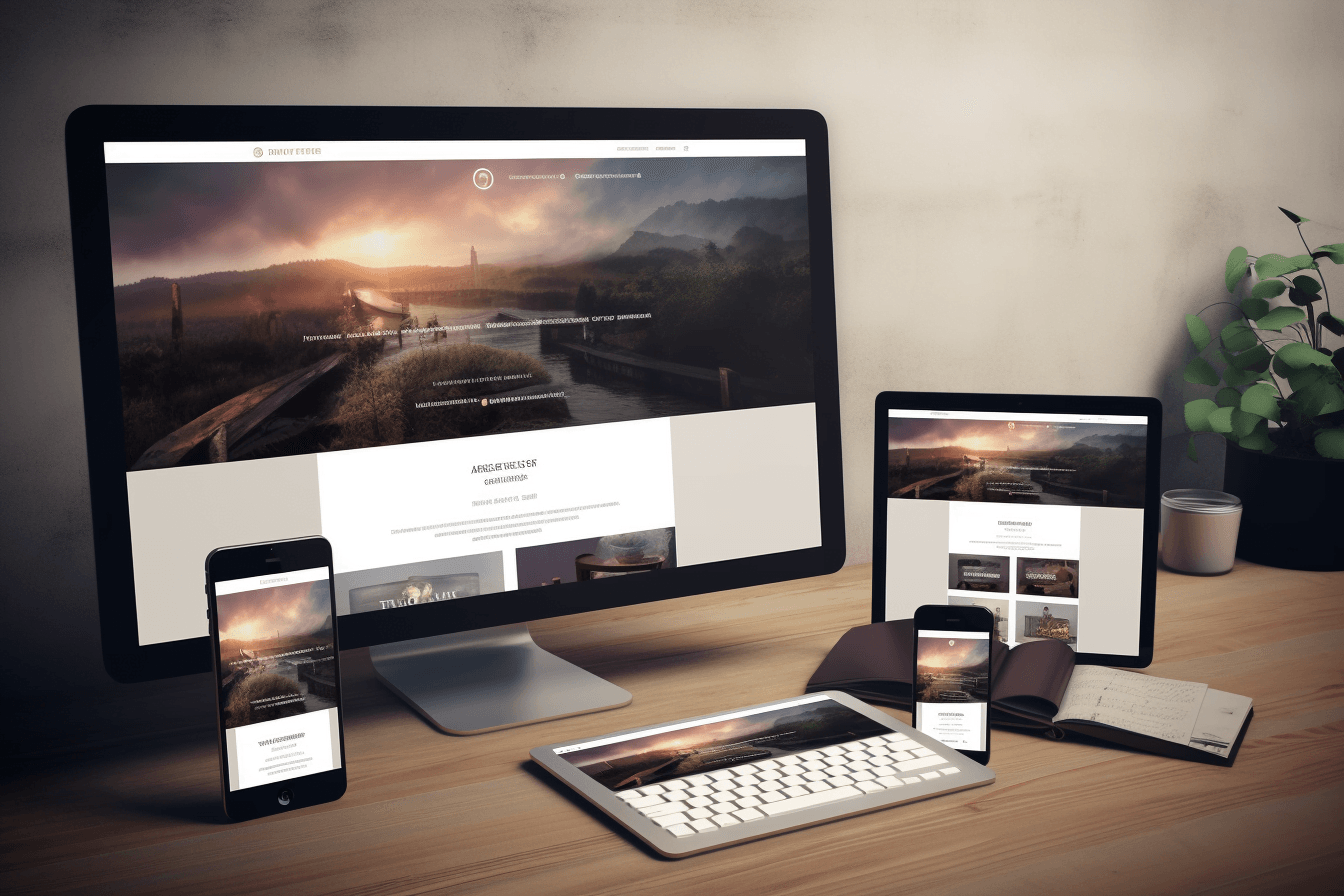
Instead of starting with a template, the process starts with questions:
- Who is the website for?
- What should visitors do next?
- Which services or products matter most?
- What pages are needed for search and conversion?
- What proof, case studies, images, and trust signals should be shown?
- How will the business maintain the site after launch?
How to choose the right website route
Choose a website builder if:
- you need a simple site quickly
- your budget is very tight
- you are comfortable editing the site yourself
- you do not need complex SEO or custom functionality
Choose WordPress if:
- you need a flexible business website
- SEO and content matter
- you want more control over pages, plugins, and structure
- you may add blogs, landing pages, or service pages over time
Choose Shopify if:
- online selling is the main goal
- you need product management, checkout, inventory, and payment tools
- you may sell across multiple channels
- you prefer ecommerce infrastructure handled by one platform
Choose agency support if:
- the website needs to support serious leads or sales
- your brand presentation matters
- you need help with page structure, design, copy, and SEO basics
- you want a site that feels specific to your business
Questions to ask before choosing
- Will the website mainly generate leads, sell products, or build credibility?
- How many pages do you need now and in the next 12 months?
- Will you publish articles or case studies?
- Do you need payment, booking, inventory, or membership features?
- Who will update the website after launch?
- How important is SEO to the business?
- Can the platform grow with your plans?
How Peasner helps businesses choose
Peasner Creatives helps Kenyan businesses plan and design websites around their actual goals. That can include WordPress websites, portfolio sites, service pages, ecommerce planning, landing pages, website copy structure, and brand-consistent design.
For related planning, read our guide on creating a strong website structure and our article on mobile optimization.
Final takeaway
The best website builder is not the one with the longest feature list. It is the option that fits your business model, budget, content needs, and growth plan. For simple sites, a builder may be enough. For serious brand presentation, SEO, and lead generation, WordPress or an agency-built website may be the better long-term choice.
If you are unsure which route to take, send Peasner your website goal, preferred pages, budget range, and examples you like so the right build approach can be recommended.


2 thoughts on “Website Builders vs Agency Websites for SMEs”
very nice work | keep the good work up, OP!
op content really you have tried amazin topic with great content vlaues to yor articl.