

Eco-friendly promotional items help Kenyan brands stay visible while showing more care in how gifts are sourced, used, and remembered. The strongest options are practical, reusable, and clearly connected to the audience, not just labelled “green” for appearance.
For businesses, NGOs, schools, and event teams in Kenya, sustainable branded merchandise can work well for conferences, staff gifts, client appreciation, CSR campaigns, launches, and public activations. The key is to choose items people will reuse often enough to justify the material, production, and branding.

What makes a promotional item eco-friendly?
An item is more credible when it reduces waste, lasts longer, uses recycled or renewable materials, or replaces something disposable. It should also be useful enough that the recipient keeps it.
When reviewing options, check:
- whether the material is reusable, recycled, renewable, or biodegradable
- whether the product is durable enough for repeated use
- whether branding can be applied cleanly without making the item look cheap
- whether the supplier can explain the material and production quality
- whether the item fits the audience and event context
Best eco-friendly promotional items for Kenyan brands
Reusable tote bags
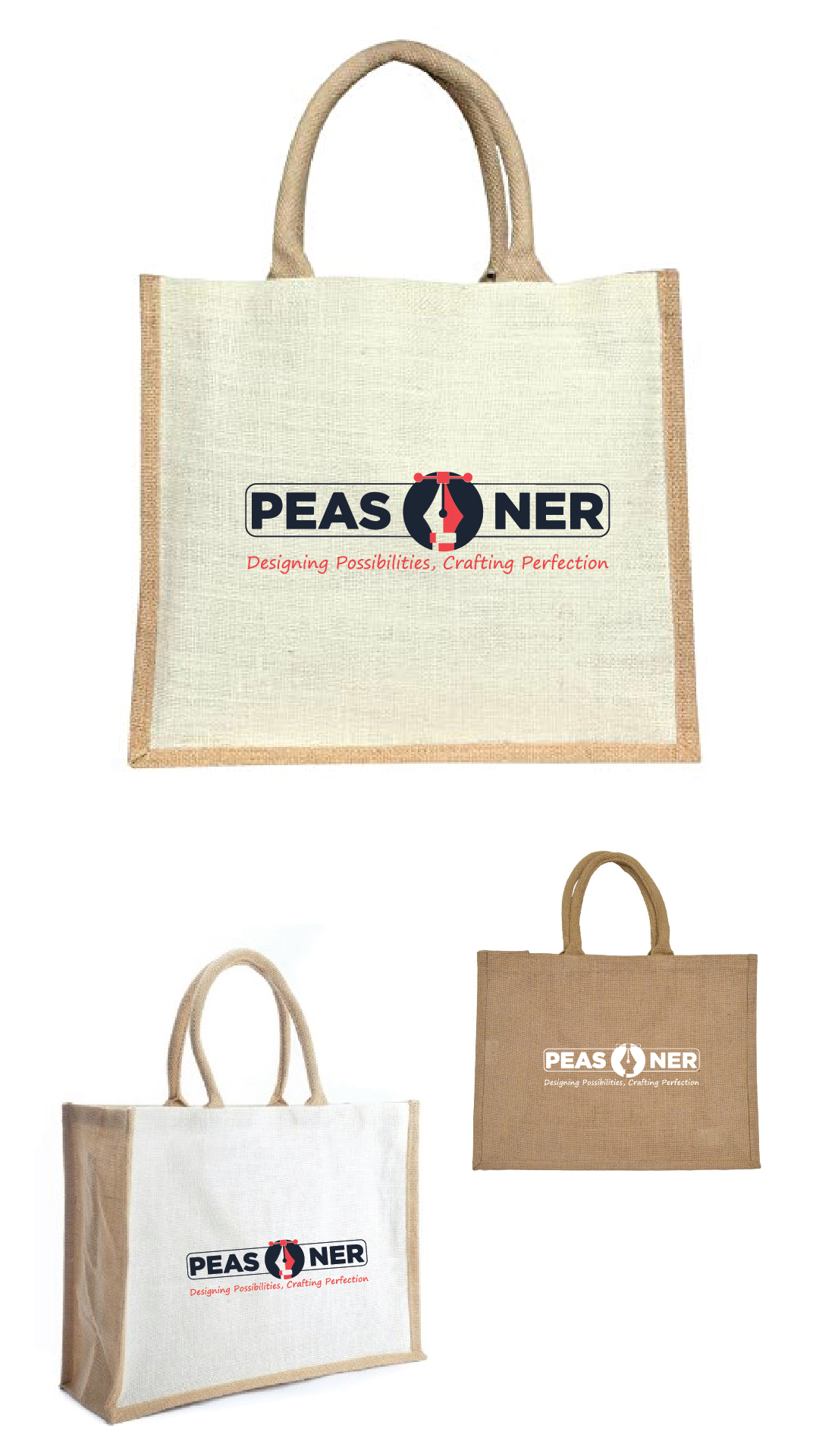
Tote bags are one of the most practical eco-friendly promotional items because they are easy to distribute, easy to brand, and useful after an event. They work well for conferences, retail campaigns, schools, NGOs, exhibitions, and staff packs.
Choose a tote bag when the design has enough visual appeal for people to carry it beyond the event. A plain logo dump is less effective than a clean layout, good color contrast, and a message people are comfortable being seen with.
Reusable bottles and flasks
Bottles and flasks are strong gifts for wellness campaigns, staff appreciation, outdoor events, and corporate programs. They can feel more premium than paper-based giveaways and often create repeat visibility.
Quality matters here. A bottle that leaks, dents easily, or loses print quickly can weaken the brand impression.
Recycled or kraft notebooks
Notebooks remain useful for workshops, training, conferences, meetings, and onboarding packs. A recycled-paper or kraft-cover notebook can support a sustainability message while still feeling professional.
For better results, design the cover intentionally. Add useful inside pages, section dividers, brand messages, or event notes instead of treating the notebook as only a logo surface.
Bamboo or recycled pens
Eco-friendly pens are good for mass distribution because they are affordable and easy to combine with notebooks, folders, or event packs. Bamboo, recycled plastic, recycled paper, and refillable options can all work depending on budget and availability.
Seed paper cards and tags
Seed paper cards, thank-you notes, and packaging tags can add a memorable sustainability touch to campaigns, gift sets, and events. They work best when the message is short and the planting instructions are clear.
Reusable lunch bags and food containers
These can be useful for staff programs, school campaigns, wellness initiatives, and family-oriented brands. They need good material quality and safe finishing because recipients will use them around food.
Organic or better-quality apparel
T-shirts, hoodies, caps, and staff apparel can support sustainable branding if the garment is durable and wearable. The most sustainable shirt is often the one people actually keep wearing.
How to choose the right eco-friendly item
Start with the recipient. A corporate client may appreciate a premium bottle or executive notebook. Event attendees may prefer a tote bag, notebook, pen, or simple reusable item. Staff may value apparel, bottles, or practical desk items.
Then match the item to the message. A sustainability campaign should not use a product that feels disposable. A premium brand should not choose the cheapest material only because it carries an eco-friendly label.
Eco-friendly promotional items by use case
- Conferences: tote bags, notebooks, pens, lanyards, bottles, and reusable badges.
- Client gifts: premium notebooks, flasks, desk items, gift sets, and custom packaging.
- CSR campaigns: seed paper, reusable bags, bottles, awareness cards, and community-friendly kits.
- Staff gifts: apparel, bottles, lunch bags, notebooks, and wellness packs.
- Retail campaigns: tote bags, packaging inserts, reusable shopping bags, and branded tags.
Common mistakes to avoid
The biggest mistake is choosing an eco-friendly item that nobody wants to reuse. The second is using unclear claims. If you cannot explain why the item is more sustainable, keep the message simple and avoid overpromising.
Also avoid poor print quality, cluttered artwork, and oversized logos. Sustainable branding still needs good design judgment.
How Peasner supports sustainable branded merchandise
Peasner Creatives helps brands plan eco-conscious promotional items that still look polished and practical. That can include tote bags, notebooks, apparel, event giveaways, gift sets, and campaign merchandise.
For a wider merchandise planning view, see our guide to corporate gift ideas in Kenya. If apparel is part of the plan, this guide on how to design a shirt can help you think through print quality and placement.
Final takeaway
Eco-friendly promotional items work when they are useful, durable, and designed with care. A good item should help the recipient remember the brand for the right reason: not because it was free, but because it was thoughtful enough to keep.
If you are planning sustainable branded merchandise in Kenya, ask Peasner for eco-friendly options by audience, budget, and event type.


