
A strong brand identity is easier to build when you follow a clear checklist. For a business in Kenya, the goal is not only to look attractive. The identity should help customers understand the business, remember it, trust it, and recognize it across digital, print, and physical touchpoints.
Use this checklist before you design a logo, refresh your brand, brief a designer, or prepare a full brand rollout.

1. Define what the business should be known for
Before choosing visuals, define the business position. A brand identity becomes stronger when it is built around a clear promise, audience, and point of difference.
Clarify:
- what you sell or provide
- who you serve
- why customers should choose you
- what tone the business should carry
- what qualities the brand must communicate
This step keeps the identity from becoming a collection of random colors and fonts.
2. Study your competitors without copying them
Look at the visual language in your industry. Check competitor logos, websites, packaging, social media pages, proposals, signage, and adverts. The point is not to copy what they do. It is to understand what customers are already seeing.
A strong identity should feel relevant to the market but distinct enough to be remembered.
3. Choose a logo that can work everywhere
A logo should work on a phone screen, business card, invoice, social media profile, signage, T-shirt, presentation, and website header. If it only works in one large format, it will cause problems later.
Check whether your logo is:
- clear at small sizes
- readable in black and white
- usable on light and dark backgrounds
- distinct from competitors
- simple enough to reproduce in print and digital formats
4. Build a practical color palette
Choose colors that support the brand personality and work in real applications. A strong palette usually includes primary colors, secondary colors, and neutral colors for backgrounds, text, and documents.
Do not choose colors only because they are trendy. They should be readable, printable, and consistent with how you want the business to be perceived.
5. Select readable brand fonts
Typography affects trust more than many businesses realize. Your fonts should be easy to read on websites, proposals, posters, presentations, and social media graphics.
A simple system often works best: one font for headings, one for body text, and clear rules for when each should be used.
6. Create a consistent graphic style
Your graphic style may include patterns, icons, photography treatment, illustration style, layout rules, shapes, textures, or content templates. These supporting elements help the brand feel recognizable even when the logo is not the main focus.
This is especially useful for social media design, event branding, company profiles, brochures, and campaign materials.
7. Write a clear brand message
Brand identity is not only visual. The words matter too. Define how the business describes itself, what it promises, and how it speaks to customers.
At minimum, prepare:
- a short business description
- a one-line value proposition
- core service descriptions
- a preferred tone of voice
- calls to action for website, proposals, and social media
8. Test the identity on real materials
A brand identity is only useful if it survives real-world use. Test it on the materials your business uses most often.
That may include:
- business cards
- letterheads and quotation templates
- company profiles and brochures
- social media posts
- website sections
- signage and banners
- uniforms and branded merchandise
This is where you can see if the logo, colors, fonts, and layouts are truly flexible.
9. Prepare brand guidelines
Brand guidelines help your team, designer, printer, marketer, and suppliers use the identity consistently. Without guidelines, every new design becomes a guessing game.
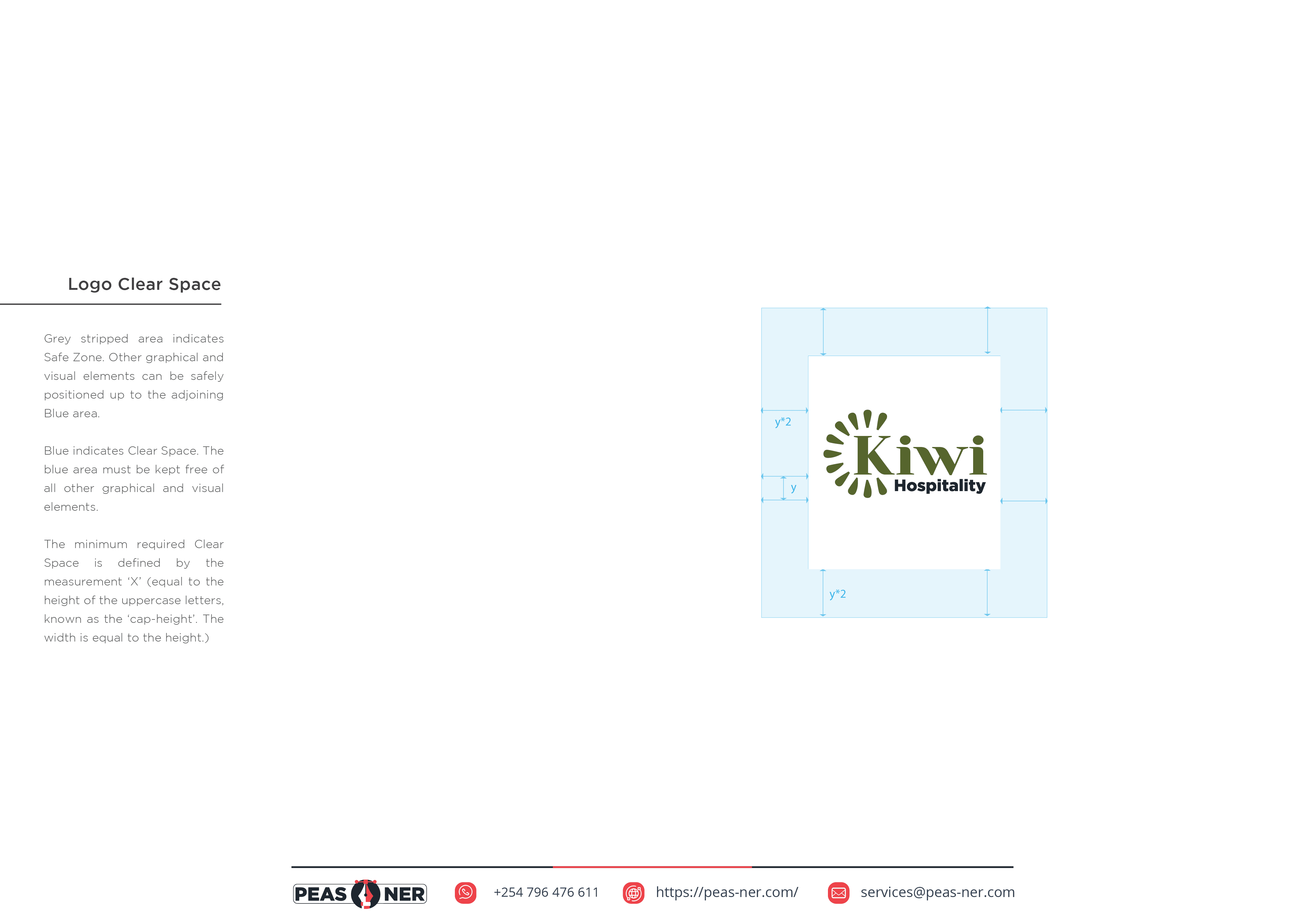
A useful guideline document should include logo rules, color codes, font choices, spacing rules, sample layouts, image style, and examples of correct and incorrect use.
10. Keep the identity consistent as the business grows
Consistency does not mean the brand can never evolve. It means every new design should still feel connected to the same system. As the business grows, update templates, refresh old materials, and keep the identity aligned with your current services and audience.
Brand identity checklist summary
- Clear business position
- Defined audience and message
- Competitive awareness
- Flexible logo system
- Practical color palette
- Readable typography
- Consistent graphic style
- Real-world applications
- Brand guidelines
- Ongoing consistency
How Peasner can help
Peasner Creatives helps businesses turn brand ideas into practical identity systems for print, digital, social media, events, websites, and branded materials. That can include logo design, business cards, company profiles, social media templates, brand guidelines, and rollout assets.
For a deeper explanation, read our guide to designing a brand identity. If you are still deciding whether branding is worth the investment, start with why small businesses need a brand.
Final takeaway
A strong brand identity is not built from one logo file. It comes from a consistent system that helps customers recognize, understand, and trust your business. Use this checklist to prepare a better brief, review your current brand, or plan a cleaner identity rollout.
If you want a practical identity system for your business, request a brand identity package from Peasner and share the materials you already use.


